

Government Funding
Fee-Free TAFE, One Year On: What the Government's Own Data Shows
What DEWR, NCVER, ASQA and state budget data reveal about Fee-Free TAFE's real impact on private RTOs and regional training access.
11 Aug9 min read
Expert insights on compliance, governance, and the Standards for RTOs 2025
What DEWR, NCVER, ASQA and state budget data reveal about Fee-Free TAFE's real impact on private RTOs and regional training access.
A practical, plain-English guide to transitioning to the Standards for RTOs 2025 — what changed, what to do first, and how to prove you are ready without the panic.

How to choose the best RTO consultant in Australia — what to look for, mistakes to avoid, and how Vivacity supports RTOs nationally under the Standards for RTOs 2025.

A realistic 2026 breakdown of the cost to start an RTO in Australia — ASQA fees, financial viability, staffing, resources, technology, and hidden costs.

Private RTOs face funding cuts, a 12-month suspension on new CRICOS registrations, and the Standards for RTOs 2025. What is happening, why it matters, and what viable providers are doing now.

What 'registration lapsed' means for an RTO under the NVR Act, how to request an extension, and how to re-register — including the impact of the 2026 CRICOS registration suspension.
RTO compliance insights, governance guidance, and 2025 Standards updates — delivered directly to you.
What DEWR, NCVER, ASQA and state budget data reveal about Fee-Free TAFE's real impact on private RTOs and regional training access.
A practical, plain-English guide to transitioning to the Standards for RTOs 2025 — what changed, what to do first, and how to prove you are ready without the panic.
How to choose the best RTO consultant in Australia — what to look for, mistakes to avoid, and how Vivacity supports RTOs nationally under the Standards for RTOs 2025.
A realistic 2026 breakdown of the cost to start an RTO in Australia — ASQA fees, financial viability, staffing, resources, technology, and hidden costs.
Private RTOs face funding cuts, a 12-month suspension on new CRICOS registrations, and the Standards for RTOs 2025. What is happening, why it matters, and what viable providers are doing now.
What 'registration lapsed' means for an RTO under the NVR Act, how to request an extension, and how to re-register — including the impact of the 2026 CRICOS registration suspension.

What ASQA Practice Guides are, the full list under the Standards for RTOs 2025, which ones matter most at audit, and how to build them into your compliance system.

Side-by-side comparison of the Standards for RTOs 2015 vs 2025: what changed in each Quality Area, the shift to self-assurance, and a transition checklist for your RTO.
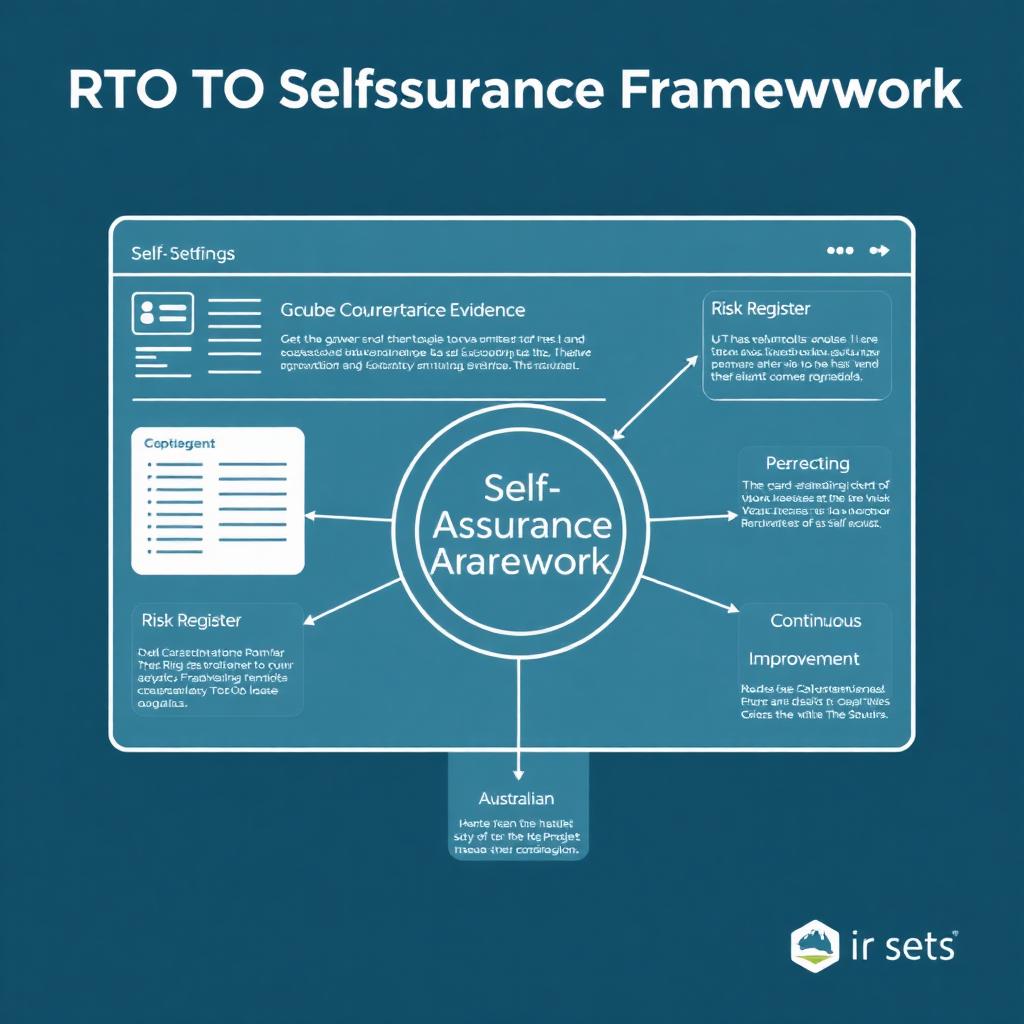
A practical pillar guide for RTO Compliance Managers: move from manual checklists to an evidence-linked self-assurance framework aligned to the Standards for RTOs 2025.
A plain-English guide to designing a credit transfer policy that aligns with the Standards for RTOs 2025 — evidence requirements, decision records, and the controls that hold up under audit.
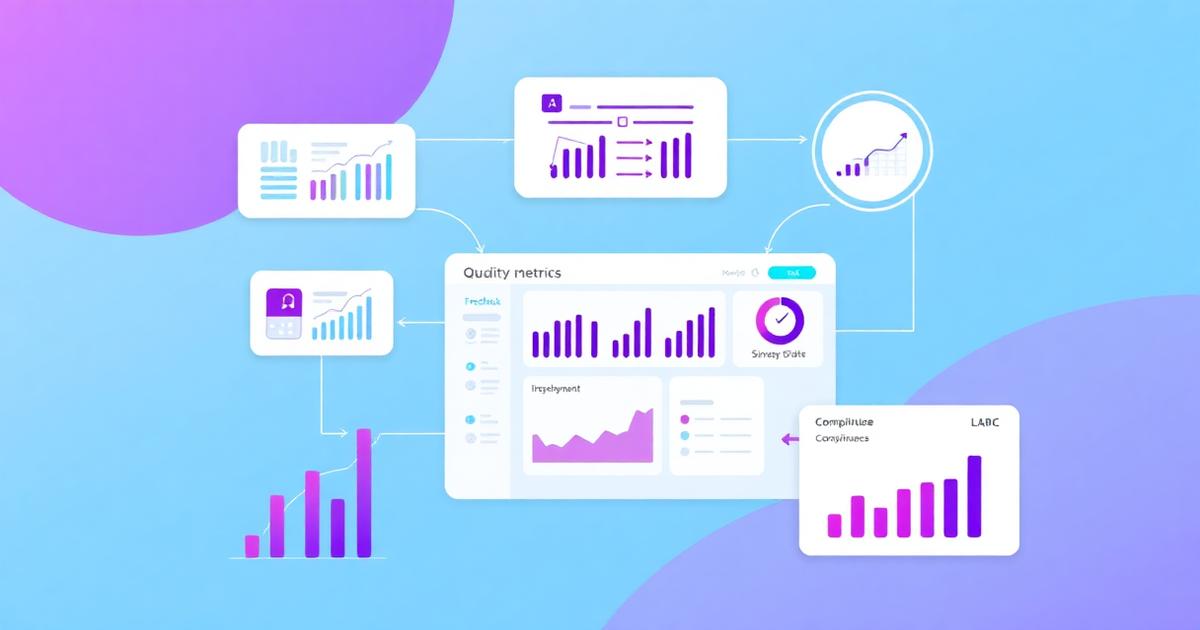
Quality Indicator reporting is more than an annual obligation. Learn how Australian RTOs can use learner and employer feedback data to strengthen compliance, inform governance, and drive continuous improvement under the Standards for RTOs 2025.
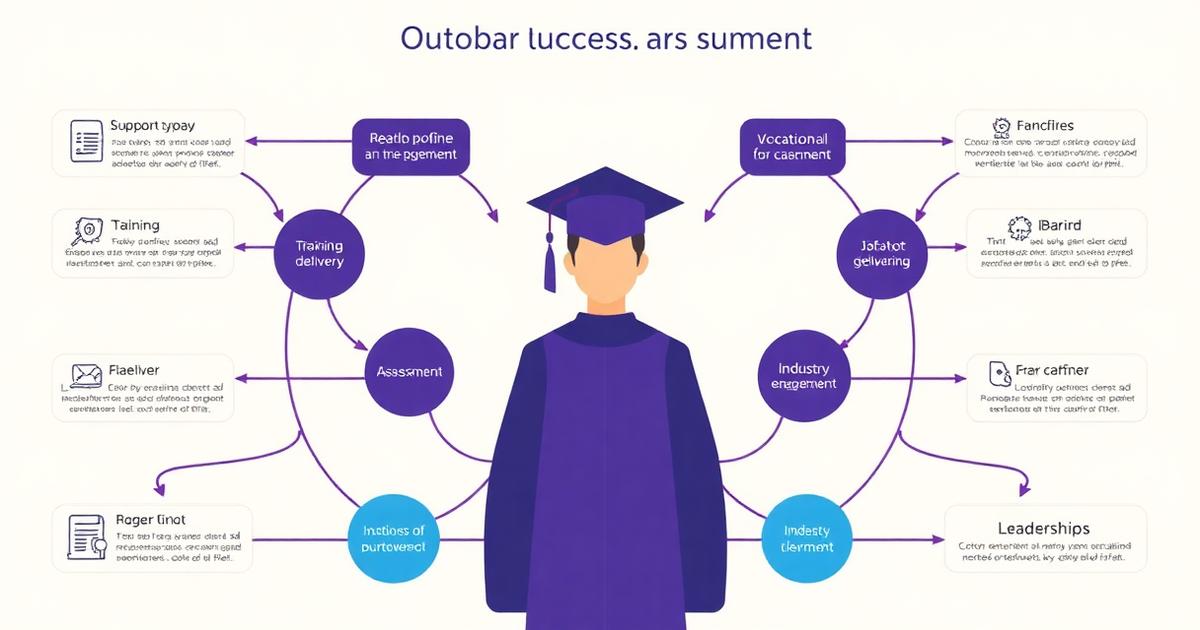
Student outcomes are not merely an operational concern — they are a governance responsibility. Discover how high-performing RTOs use learner success as strategic intelligence to drive organisational improvement.

Many RTO leaders start with vision but end up firefighting. Discover how strong governance systems move leaders from reactive survival mode to proactive strategic leadership.
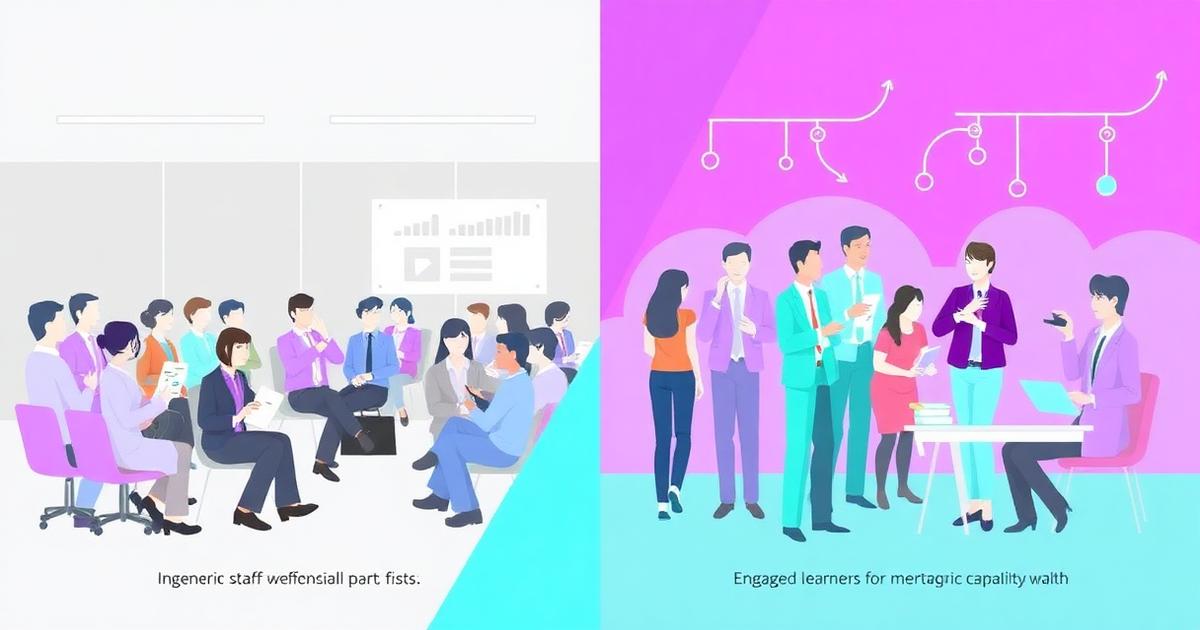
Most RTOs invest in professional development. But certificates and hours do not equal capability growth. Discover why development programs fail — and how to build a strategic capability system that actually improves performance.

Dedicated staff, strong industry relationships, and quality training are not enough. Discover why good intentions do not equal compliance — and how governance systems create the evidence that audits actually assess.
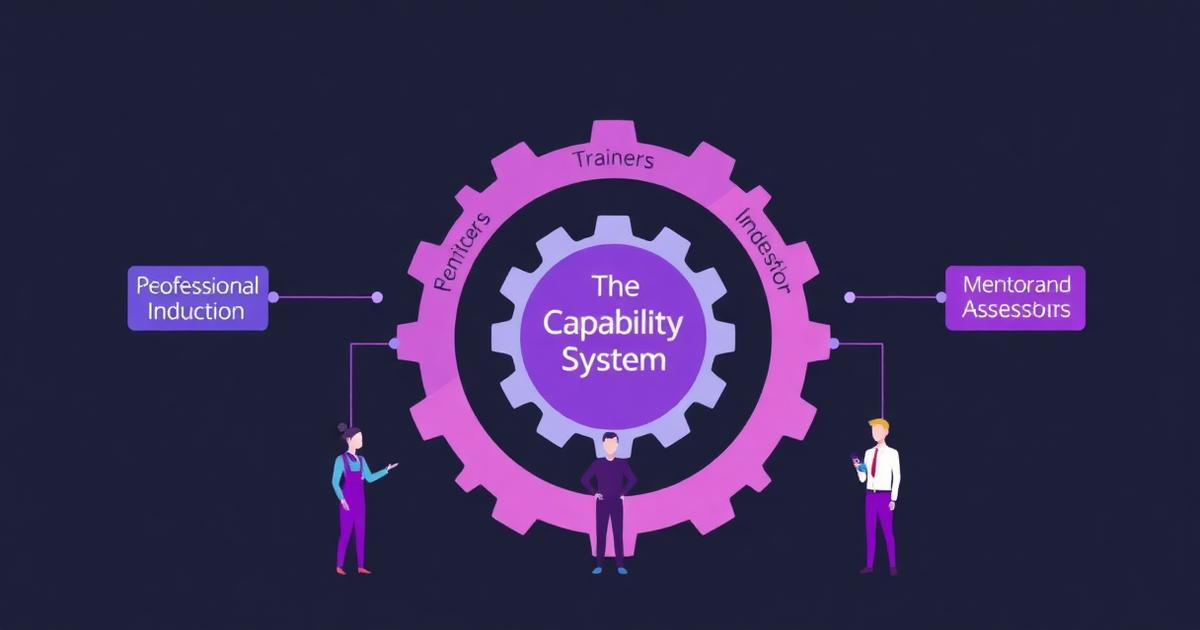
People matter, but systems sustain. Discover why the most successful RTOs invest in capability systems that develop, support, and strengthen trainers and assessors over time.
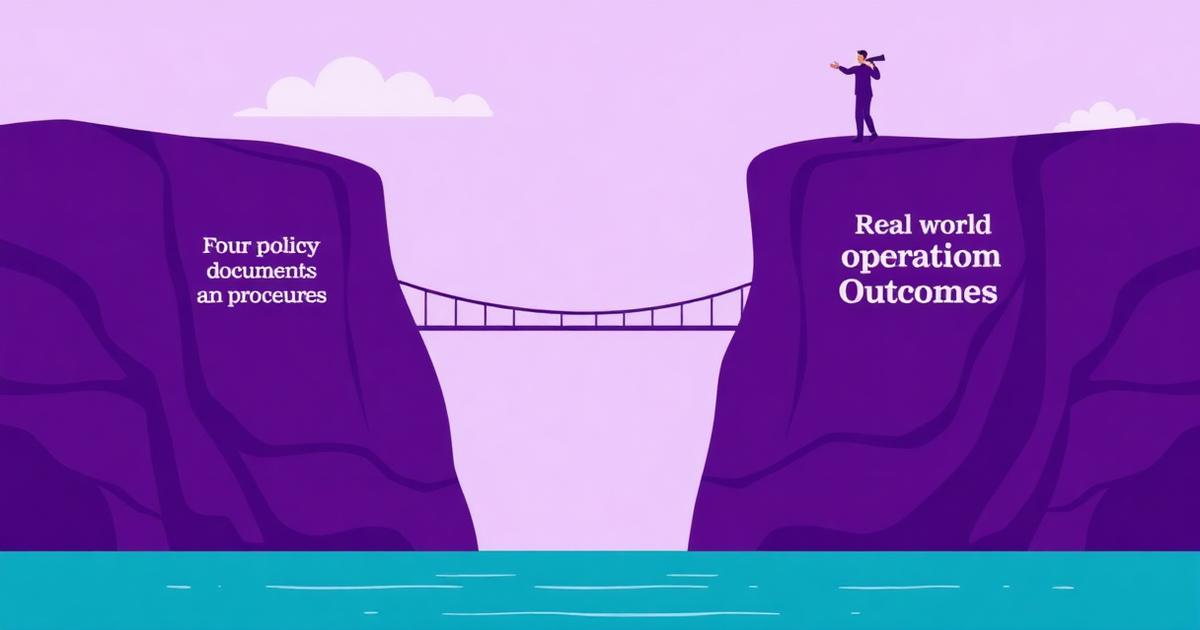
Most RTOs have policies and procedures. But many discover during audits that what is documented bears little resemblance to what actually happens. Learn how to close the governance gap and replace assumptions with evidence.

Same regulations. Same markets. Same challenges. Yet some RTOs consistently outperform while others stay stuck. Discover why governance and strategic leadership are the real differentiators.
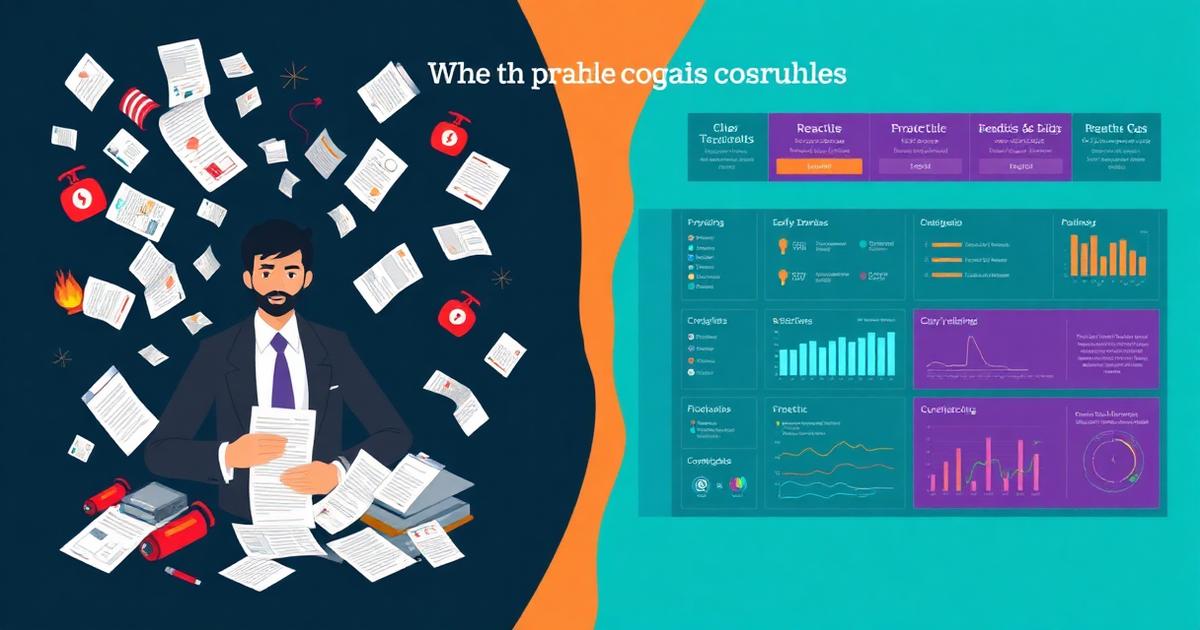
Reactive governance drains resources, erodes culture, and hides systemic risks. Discover the true cost of operating in constant response mode — and how proactive governance systems create confidence and sustainable performance.
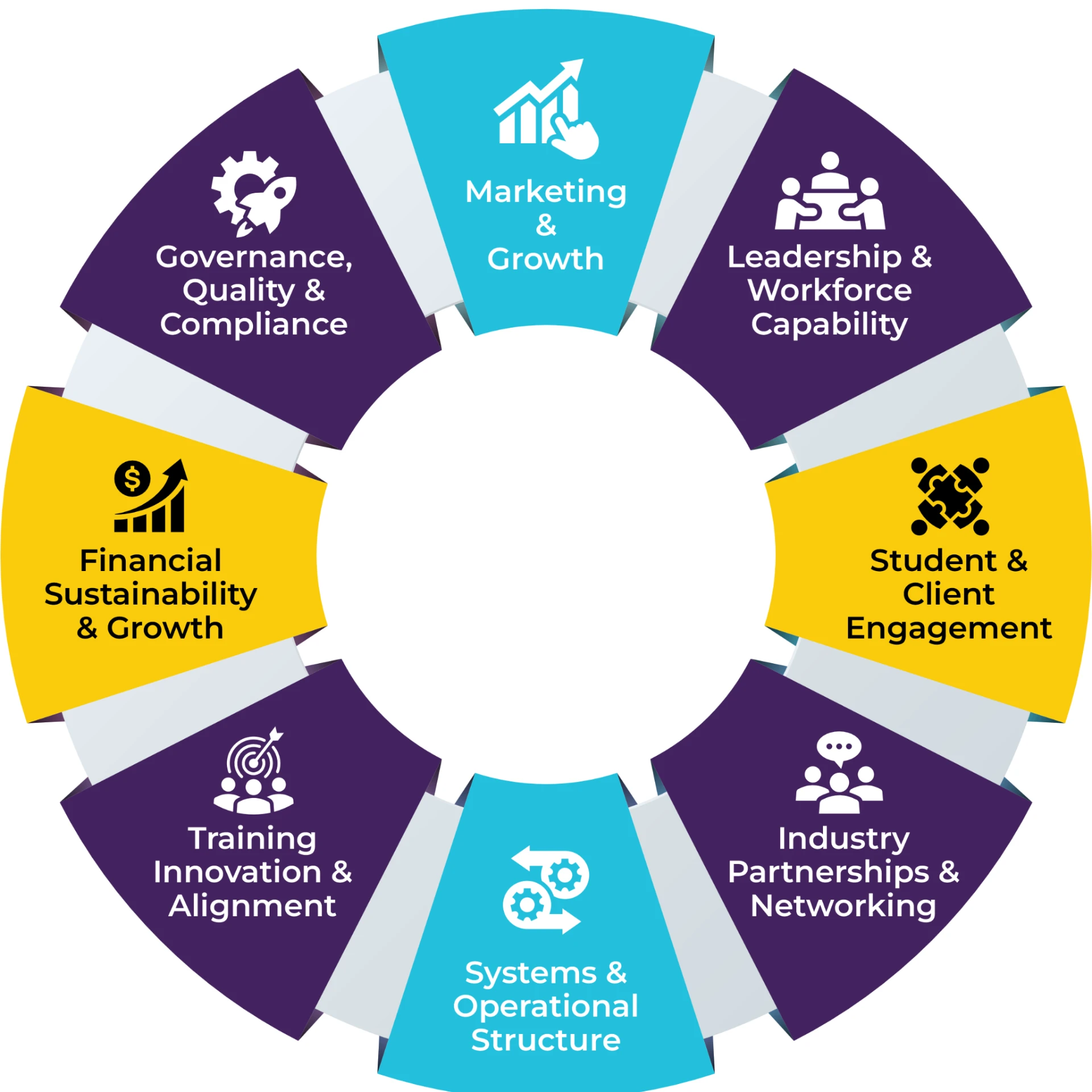
Discover the 8 interconnected drivers that separate high-performing RTOs from those trapped in reactive compliance. Learn how governance, workforce capability, student outcomes, and systems work together.

Compliance meets requirements. Governance creates confidence. Discover why the most successful RTOs move beyond audit survival to build sustainable, evidence-based governance systems.

Discover what a high-performing RTO governance framework looks like under the Standards for RTOs 2025 — and how to build one that keeps your RTO audit-ready year-round.

Not every SMS supports compliance. Use this checklist to assess reporting, evidence, enrolment controls, and audit readiness.

Trainers must hold approved credentials under the Credential Policy, current industry skills, and role-relevant PD. If any requirement is missing, the trainer is not compliant.

The 2026 ADC submission window runs 3–31 March 2026. CEOs receive unique ASQA links—ensure contact details are current. Internal audits and external reviews strengthen your declaration.

ASQA expects current, relevant, and outcome-linked evidence that shows how your RTO actually operates day to day. If evidence is outdated, fragmented, or not clearly linked to the Outcomes, ASQA will raise findings.
To know if your RTO is audit ready in 2025, you must show current, mapped evidence for every Outcome Standard, supported by governance oversight and continuous improvement records.

A comprehensive guide to using the Nationally Recognised Training (NRT) and Australian Qualifications Framework (AQF) logos correctly on certificates, marketing materials and promotional documents.

Prepare for your ASQA audit with this practical checklist. Evidence, registers, and team readiness steps every RTO should complete before audit day.

Start with registers, evidence, and document control. Here is what to automate first with RTO SaaS to reduce audit risk and admin load.

Australian states take different approaches to government-subsidised VET. This comparison covers NSW Smart and Skilled, Victoria Skills First and Queensland Career Start / Career Boost.

The NSW Department of Education has released Smart and Skilled Update No. 272 confirming increased flexibility for financial cap management. Here's what it means for training providers.

NSW Smart and Skilled providers can now request financial cap adjustments. Learn how to prepare evidence-based submissions that demonstrate alignment with government priorities.

Spreadsheets fail when compliance becomes layered. An RTO compliance management system keeps evidence audit-ready and reduces risk.
Most RTOs engage an RTO consultant too late. Learn what good support looks like and when to engage a consultant for your compliance systems.

Buying an RTO without proper due diligence exposes you to hidden compliance risks. Learn what to assess before contracts are signed.

Stop treating compliance like a one-person job. Build a compliance chain where every role owns its piece of evidence and every meeting reinforces accountability.

RTO governance meetings are your main evidence of accountability, risk oversight, and continuous improvement under the Standards for RTOs 2025.

Compliance doesn't live in a policy folder; it lives in leadership. Learn why executives must own decisions, track actions, and bring evidence to every review.
ASQA's Standards for RTOs 2025 emphasise workforce quality more than ever. Start the year by strengthening your trainer and assessor competency systems.

The Victorian Government has released its 2026 VET funding contracts under the Skills First program. Here's what training providers need to know about the new requirements.

ASQA now checks not only that RTOs identify improvements but also that they record, act, and close the loop. Strong CI evidence reduces audit risk.

Audits don't create great learner outcomes. Systems do. Learn how to build proactive learner support that's embedded, evidenced, and effective.

ASQA expects every RTO to prove it understands its risks, not just list them. Learn how to build a live risk register with clear actions and visible accountability.

ASQA audits test your systems, not just your paperwork. Learn what auditors look for and how to prepare your RTO for a confident, successful audit.

The most common ASQA audit findings in 2025 relate to assessment quality, trainer compliance, weak governance, and poor continuous improvement evidence.
The ASQA Annual Declaration is your yearly compliance check-in. Learn what to prepare, when to submit, and how to use it as a governance tool.

The Credential Policy defines who can train and assess in an RTO. It requires verified credentials, documented supervision where applicable, and ongoing monitoring. Non-compliance directly affects assessment integrity.
Audit isn't a punishment — it's a checkpoint. Learn how to stay audit-ready year-round and prepare for re-registration under the Standards for RTOs 2025.

CRICOS compliance ensures the safety, quality, and integrity of international education in Australia. Learn the essentials for CRICOS-registered RTOs.
The Standards for RTOs 2025 make continuous improvement a governance requirement. Learn how to build improvement into your RTO's daily operations.

Strong RTO governance is the foundation of every compliant training organisation. Learn how governance and risk management work together under the 2025 Standards.
VET workforce management is how RTOs ensure they have enough qualified people to deliver training, maintain compliance, and manage risk. ASQA expects capacity planning, competency verification, and third-party oversight.
A workforce compliance system tracks trainer credentials, industry currency, professional development, and supervision in an auditable format. Spreadsheets lack version control, accountability, and audit trails—ASQA does not accept them as compliance systems.

An assessment tool is compliant under Standards 1.3–1.5 when it validly, reliably, and consistently assesses competency, and the RTO can prove this through evidence.
What ASQA expects of trainers and assessors under the 2025 Standards: Credential Policy credentials, current industry skills and ongoing PD, plus the evidence and common mistakes to check before audit.

An RTO must conduct assessment validation systematically, ongoing, and based on risk, not on a fixed annual cycle.
RTO self-assurance is a new 2025 Standards requirement. Learn what it means, what it requires, and how to build a system that satisfies ASQA.

The Queensland Government has restructured its government-funded VET programs with Career Start and Career Boost, replacing older funding streams from 1 July 2025.

Many RTOs rely on SharePoint or Google Drive for compliance. But document storage is not a compliance system. Learn why the distinction matters for audits.