Prepare Now: The 2026 Annual Declaration on Compliance

Key takeaways
- 1The 2026 ADC submission window runs 3–31 March 2026
- 2CEOs receive unique ASQA links—ensure contact details are current in asqanet
- 3Internal audits across trainer, validation, complaints, and TAS domains are essential
- 4External auditors add credibility and identify hidden compliance risks
- 5Late or false submissions can trigger regulatory action including conditions or suspension
The 2026 Annual Declaration on Compliance (ADC) is a statutory requirement for all RTOs. It confirms your organisation meets regulatory obligations under the National Vocational Education and Training Regulator Act 2011 and the Standards for RTOs 2025. The submission window runs 3–31 March 2026. Your CEO receives a unique ASQA link. Late or false submissions can trigger regulatory action.
Table of contents
- Why preparation matters
- Key steps to prepare your RTO
- Practical tools for readiness
- Common pitfalls to avoid
- Get external assurance before you declare
- FAQs
Why preparation matters
Completing the ADC should be more than ticking a box. It is your board-level attestation that your RTO has current systems, evidence, and controls to sustain compliant training delivery.
Across the sector, declarations now carry greater scrutiny under the 2025 Standards. ASQA expects RTOs to:
- Verify compliance against current Standards before declaring
- Maintain evidence that supports the declaration
- Address known gaps before submission
- Involve governance and key stakeholders in sign-off
A declaration without supporting evidence creates regulatory risk.
For background on how the ADC works, see: 👉 The Annual Declaration Made Easy
Key steps to prepare your RTO
| Step | Action | Why It Matters |
|---|---|---|
| 1 | Update ASQA contact data | Receive the unique declaration link |
| 2 | Review compliance against the Standards | Verify policies and evidence align |
| 3 | Conduct an internal audit | Reveal gaps before declaration |
| 4 | Use an external auditor | Add credibility and identify hidden risks |
| 5 | Involve key stakeholders | Cross-functional sign-off strengthens governance |
1. Update ASQA contact data
Ensure the CEO's email and other organisational contacts are current in asqanet and training.gov.au. The unique declaration link is sent to the registered CEO—outdated details mean delayed or missed links.
2. Review compliance against the Standards
Go clause by clause through the Standards for RTOs 2025. Verify that:
- Policies and procedures align with current requirements
- Evidence is accurate, dated, and retrievable
- Systems reflect actual practice
If your TAS, assessment tools, or trainer records are outdated, fix them now—not during the declaration window.
3. Conduct an internal audit
Run a structured internal audit across all compliance domains. Typical audit areas include:
- Trainer qualifications and industry currency
- Assessment validation schedules and records
- Complaints and appeals handling
- Student outcome and data accuracy
- Training and Assessment Strategies reviews
This reveals gaps early and allows corrective actions before declaration. Document findings and resolutions in your audit reports.
For guidance on risk-based auditing, see: 👉 Risk Management for RTOs Under the 2025 Standards
4. Use an external auditor or consultant
An external consultant with no internal bias brings fresh perspective. They can:
- Spot hidden compliance risks internal teams overlook
- Validate your internal audit process
- Provide evidence checklists aligned with regulator expectations
External reviews add credibility to your declaration and reduce regulator follow-up.
5. Involve key stakeholders
Ensure heads of training, compliance, operations, and records management verify and sign off their areas. Compliance is cross-functional—evidence should reflect organisational operation, not assumptions.
Practical tools for readiness
Practice guides and checklists
ASQA provides resources and checklists that help RTOs understand obligations against the 2025 Standards. Use these resources alongside your audit work.
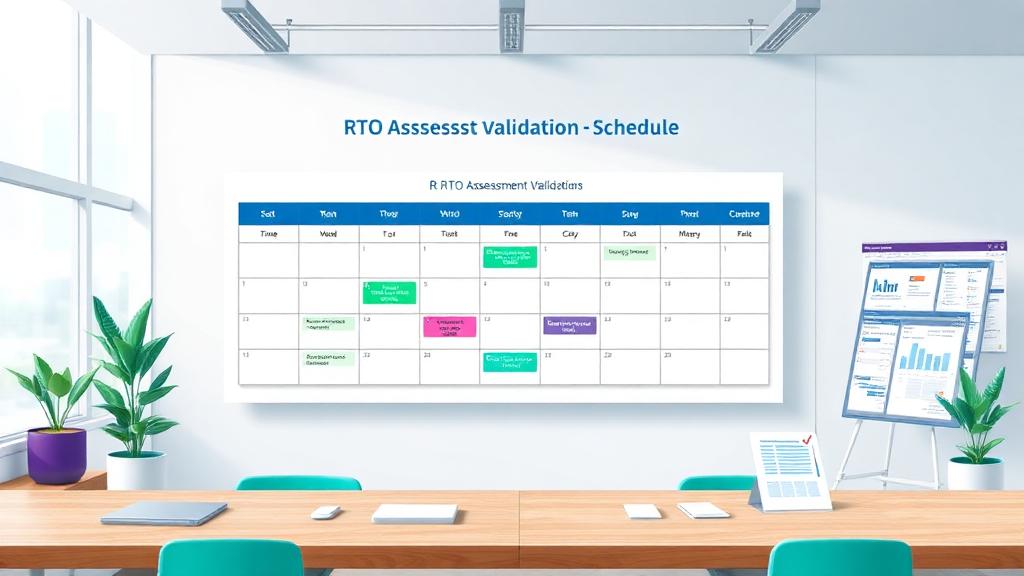
Internal compliance calendar
Map your compliance activities for the year. Build scheduled internal audits, reviews, and evidence collection tasks into this calendar. A proactive calendar prevents last-minute scrambles.
Common pitfalls to avoid
- Waiting until the last minute to prepare
- Copying last year's declaration without review
- Declaring compliance without supporting evidence
- Skipping documentation of corrective actions
- Relying on memory rather than records
- Assuming third-party partners are compliant without verification
These shortcuts create regulatory exposure. ASQA can request evidence at any time following a declaration.
Get external assurance before you declare
If you are unsure whether your RTO meets the 2025 Standards, do not wait for an audit to confirm the gaps.
The Compliance Health Check from Vivacity tests your systems, evidence, risk controls, and documentation against current standards—before you submit your ADC.
👉 Book your Compliance Health Check
Effective preparation reduces risk, improves governance, and strengthens your compliance foundations ahead of the 2026 ADC window.
FAQs
What is the Annual Declaration on Compliance?
The ADC is a statutory requirement for all RTOs to confirm compliance with regulatory obligations under the National Vocational Education and Training Regulator Act 2011 and the Standards for RTOs 2025. It is submitted annually through asqanet.
When is the 2026 ADC due?
The submission window runs from 3 March 2026 to 31 March 2026. CEOs receive a unique link from ASQA to complete the declaration.
What happens if I miss the deadline?
Late submissions can trigger regulatory action, including monitoring, conditions, or suspension of registration. ASQA treats failure to declare as a significant compliance concern.
Can I amend a submitted declaration?
Contact ASQA directly if you need to amend a declaration after submission. However, the best approach is to verify compliance thoroughly before submitting.
Do all RTOs need to submit the ADC?
Yes. All NVR-registered RTOs must submit the ADC annually. This includes RTOs with current ASQA registration, regardless of scope size or delivery volume.
How should the board be involved?
The board or governing body should review compliance status before the CEO signs the declaration. This ensures accountability at the highest level and reduces personal risk for the signatory.
Related guidance
Get new posts in your inbox
RTO compliance insights, governance guidance, and 2025 Standards updates — delivered directly to you.
How audit-ready is your RTO?
Complete our free 5-minute Standards Scorecard and get a personalised gap analysis.