What Evidence Does ASQA Expect to See During an RTO Audit?

Key takeaways
- 1ASQA audits by Outcome and Standard, not by file name or folder—evidence must be mapped accordingly
- 2For each Outcome, auditors ask: What system is in place? What evidence shows it is working? How do you know it is effective?
- 3Policies alone prove nothing—ASQA expects supporting records showing implementation and monitoring
- 4Evidence created after audit notification signals non-genuine compliance
- 5Governance and continuous improvement gaps are the most common audit findings
Table of contents
- Why Evidence Is the Core Audit Risk in 2025
- How ASQA Looks at Evidence During an Audit
- Core Evidence ASQA Expects Across All Outcomes
- What ASQA Does Not Accept as Evidence
- What Good Evidence Looks Like
- A Simple Way to Check Your Evidence Gaps
If evidence is outdated, fragmented, or not clearly linked to the Outcomes, ASQA will raise findings.
Why Evidence Is the Core Audit Risk in 2025
Under the 2025 Standards, ASQA no longer audits documents in isolation.
They audit whether your systems, practices, and decisions produce quality outcomes for students.
That means evidence must show:
- What you do
- How often you do it
- Who is accountable
- How issues are identified and fixed
A policy alone proves nothing.
How ASQA Looks at Evidence During an Audit
ASQA audits by Outcome and Standard, not by file name or folder.
For each Outcome, auditors ask three questions:
- What system is in place?
- What evidence shows it is working?
- How do you know it is effective?
If you cannot answer all three, evidence is insufficient.
Core Evidence ASQA Expects Across All Outcomes
1. Governance and Oversight Evidence
ASQA expects evidence that compliance is actively managed.
This includes:
- Governance or compliance registers
- Risk registers with current entries
- Clear accountable roles
- Records of decisions and reviews
- Evidence governing persons are informed
If governance only appears during audits, it will be challenged.
2. Training and Assessment Evidence
This is consistently high risk.
ASQA expects to see:
- Current TAS documents aligned to training products
- Pre-use assessment tool reviews
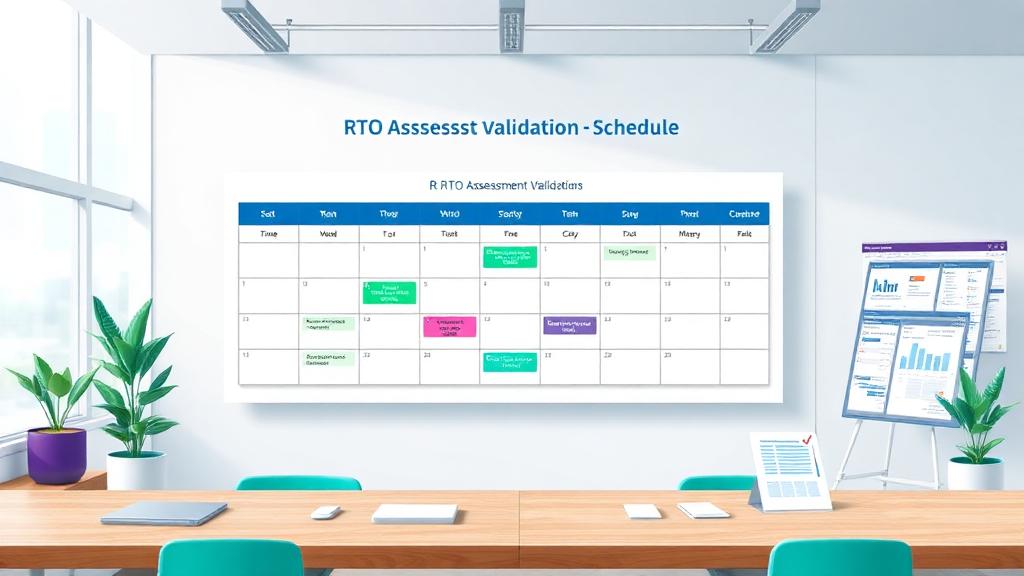
- Validation schedules based on risk
- Validation outcomes, not just attendance
- Changes made as a result of validation
Evidence must show assessment quality, not box ticking.
3. Trainer and Assessor Evidence
Assumptions do not count as evidence.
ASQA expects:
- Verified credentials against the Credential Policy
- Industry currency evidence that is relevant and current
- PD plans and completion records
- Supervision records for those working under direction
- Ongoing monitoring, not one-off checks
If trainer files are inconsistent, expect findings.
4. Student Information and Support Evidence
ASQA tests whether students are properly informed and supported.
They look for:
- Accurate pre-enrolment information
- Records showing students received it
- Support needs identification
- Support actions taken
- Wellbeing and training support access
- Complaints and appeals records with outcomes
Verbal processes without records are high risk.
5. Continuous Improvement Evidence
This is not optional.
ASQA expects to see:
- Issues logged when identified
- Improvement actions recorded
- Responsibilities assigned
- Actions completed and reviewed
- Evidence improvements worked
Registers with no closure dates signal weak systems.
What ASQA Does Not Accept as Evidence
These commonly fail audits:
| What Fails | Why It Fails |
|---|---|
| Policies with no supporting records | No proof of implementation |
| Evidence created after audit notification | Suggests non-genuine compliance |
| Spreadsheets with no review dates | No accountability trail |
| Validation records with no outcomes | Tick-box validation |
| CI logs with no follow-up | Incomplete improvement cycle |
| Folder dumps with no mapping to Standards | Unmanaged evidence |
More documents do not equal better evidence.
What Good Evidence Looks Like
Audit-ready RTOs can:
- Produce evidence by Standard on request
- Explain how evidence links to outcomes
- Show records created in real time
- Demonstrate accountability
- Prove issues are addressed, not hidden
Auditors see confidence immediately.
A Simple Way to Check Your Evidence Gaps
If you are unsure whether your evidence would stand up in an audit, do not guess.
The Standards Compliance Scorecard shows:
- Where evidence is strong
- Where systems are weak
- Which gaps create audit risk
- What to fix first
Fixing evidence gaps early is faster and safer than reacting under audit pressure.
Related reading
- How Do I Know If My RTO Is Audit Ready Under the 2025 Standards?
- RTO Audit Preparation: Your Pre-Audit Checklist
- Risk Management for RTOs Under the 2025 Standards
Need help preparing your evidence?
If your evidence is scattered or outdated, a Clarity Call can help you identify the fastest path to audit readiness.
FAQs
What is the most common evidence gap ASQA finds?
Governance and continuous improvement gaps are the most common. RTOs often have policies but no records of active management, risk monitoring, or improvement follow-through.
Can I use policies as evidence?
Policies alone are not sufficient. ASQA expects supporting records that show the policy is implemented and monitored in practice.
How far back does ASQA look at evidence?
ASQA typically reviews evidence from the current registration period, but may look further back if issues suggest systemic problems.
What if I have evidence but it is not organised by Standard?
You should be able to produce evidence mapped to each Standard on request. Folder dumps without clear mapping create audit risk.
Get new posts in your inbox
RTO compliance insights, governance guidance, and 2025 Standards updates — delivered directly to you.
How audit-ready is your RTO?
Complete our free 5-minute Standards Scorecard and get a personalised gap analysis.