Why Professional Development Often Fails: The Activity Trap
Key takeaways
- 1Attending professional development and building capability are not the same thing — participation metrics reveal very little about actual performance improvement.
- 2The activity trap occurs when organisations measure development by hours completed, courses attended, and certificates collected rather than capability outcomes.
- 3Common causes of failure include no strategic alignment, one-size-fits-all approaches, no application planning, no measurement, and no leadership support.
- 4High-performing organisations integrate professional development into broader workforce strategy, beginning with capability requirements and targeted plans.
- 5Leadership & Workforce Capability is the second Critical Driver because sustainable performance requires continuous development beyond regulatory compliance.
Most Registered Training Organisations invest in professional development.
Staff attend workshops.
Webinars are completed.
Conferences are attended.
Certificates are collected.
Yet despite this investment, many organisations see little measurable improvement in performance.
Why?
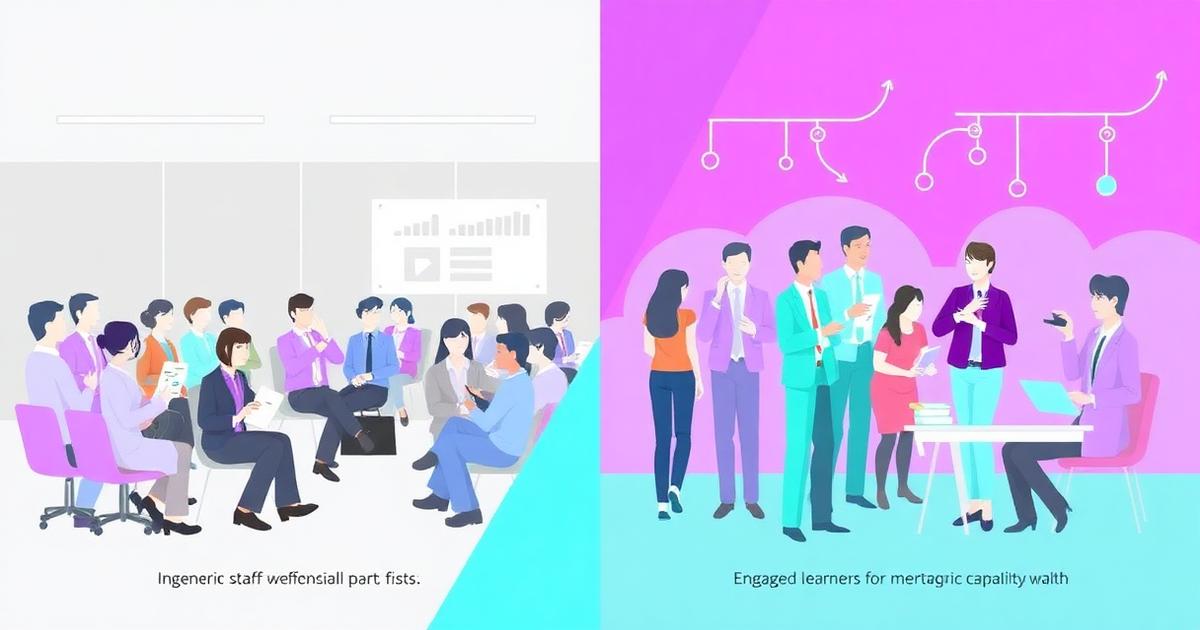
Because attending professional development and building capability are not the same thing.
Table of contents
- The activity trap
- The real purpose of professional development
- Why many programs fail
- Building a capability system
- Leadership matters
- The second critical driver
- Looking beyond compliance
- Want to create a workforce capable of long-term success?
The activity trap
Many organisations measure professional development by participation.
- How many hours were completed?
- How many courses were attended?
- How many certificates were issued?
These metrics are easy to report.
Unfortunately, they reveal very little about actual capability growth.
Professional development becomes an activity rather than a strategic investment.
The focus shifts from improving performance to completing requirements.
And the organisation never discovers whether the investment produced any meaningful change.
The real purpose of professional development
Effective professional development should improve organisational performance.
It should strengthen capability.
Improve decision-making.
Enhance service quality.
Support innovation.
Prepare future leaders.
If professional development does not influence performance, its value is limited.
The question should not be:
"How much professional development did we complete?"
The question should be:
"What capability did we improve?"
Why many programs fail
Several common issues limit the effectiveness of professional development.
No strategic alignment
Training is selected based on availability rather than organisational priorities.
One-size-fits-all approaches
All staff receive the same opportunities regardless of role, experience, or development needs.
No application planning
Participants attend learning activities but receive little support to apply new knowledge.
No measurement
Organisations rarely evaluate whether capability actually improved.
No leadership support
Managers often expect change without creating opportunities for staff to implement new skills.
Building a capability system
High-performing organisations approach professional development differently.
They begin with capability requirements.
They identify future workforce needs.
They assess capability gaps.
They develop targeted plans.
Most importantly, they integrate professional development into broader workforce strategy.
Professional development becomes one component of a larger capability system.
👉 Your trainers are not your biggest asset — your capability system is
Leadership matters
Capability development is heavily influenced by leadership.
Leaders determine:
- Workforce priorities
- Development investment
- Learning culture
- Performance expectations
- Career pathways
When leaders actively support capability growth, professional development becomes far more effective.
When leaders treat development as a compliance checkbox, staff respond accordingly.
The second critical driver
Leadership & Workforce Capability is the second Critical Driver within The Governance Shift Framework.
This driver recognises that sustainable performance depends on more than compliance with qualification requirements.
It requires organisations to continuously develop the capabilities needed to meet future challenges.
The strongest organisations view capability development as an ongoing strategic process rather than a series of isolated training events.
Looking beyond compliance
Professional development should not exist solely to satisfy regulatory expectations.
Its purpose is to strengthen organisational performance.
When capability development becomes strategic, organisations become more resilient, adaptable, and effective.
And those outcomes ultimately benefit students, staff, employers, and stakeholders alike.
Want to create a workforce capable of long-term success?
The Governance Shift explores Leadership & Workforce Capability as one of the 8 Critical Drivers of Success and provides practical frameworks for building stronger organisations.
👉 Order your copy today and discover how capability becomes a strategic advantage.
Written by Angela Connell-Richards, CEO & Founder, Vivacity Coaching & Consulting and ComplyHub.ai
Get new posts in your inbox
RTO compliance insights, governance guidance, and 2025 Standards updates — delivered directly to you.
Upskill your team
Access structured PD programs designed specifically for VET trainers and compliance staff.
Related Articles

What Qualifications Must Trainers and Assessors Hold in 2025?
VET Workforce Management: What ASQA Expects from RTOs
